
Up to 25%
Menstrual irregularities occur in an estimated 14% to 25% of women of childbearing age.¹
Menstrual irregularities occur in an estimated 14% to 25% of women of childbearing age.¹

Pregnancy, thyroid conditions, PCOS/PMOS, stress, infections, and certain medications can also affect menstrual bleeding.
Menstrual irregularities occur in an estimated 14% to 25% of women of childbearing age.¹
When it starts happening later — or not at all — progesterone patterns change.
Pregnancy, thyroid conditions, PCOS/PMOS, stress, infections, and certain medications can also affect menstrual bleeding.
Midi clinicians support you from every angle. They start by listening — then draw on the options below to build the right plan for you.

Labs & testing
Labs & testing
Targeted labs check for anemia, iron deficiency, thyroid issues, and other possible causes. If your symptoms started earlier than expected, hormone testing may round out the picture.

Lifestyle coaching & support
Lifestyle coaching & support
Stress, sleep, nutrition, weight, and exercise can all affect ovulation. Your clinician sorts out what’s actually driving your symptoms and recommends support that fits your life.
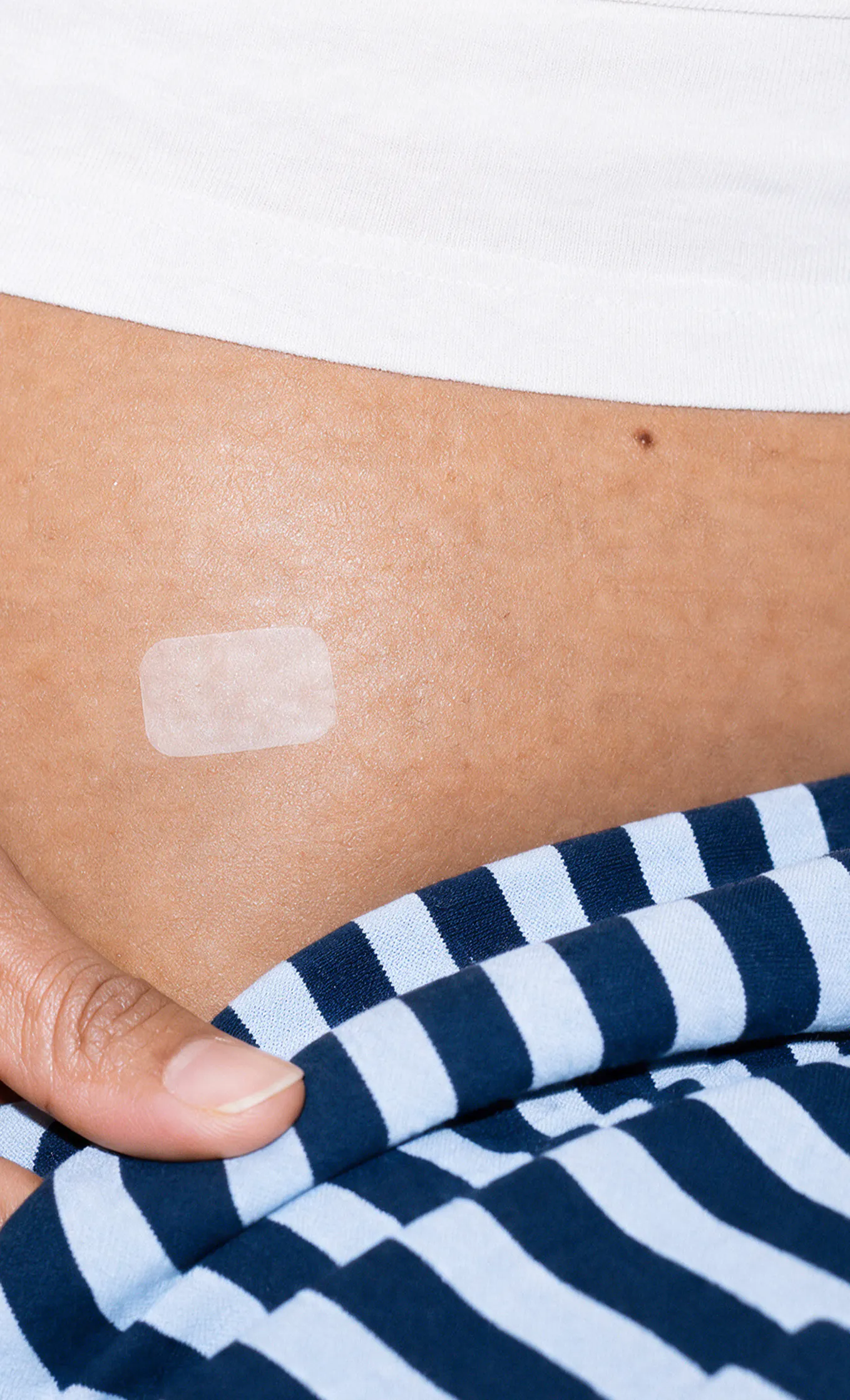
Hormone prescriptions
Hormone prescriptions
Your clinician may discuss options like micronized progesterone or hormonal birth control. If heavy bleeding and pregnancy prevention are both concerns, a hormonal IUD may fit — though placement happens in person.
More to explore:
What is HRT?
Non-hormone prescriptions
Non-hormone prescriptions
Treatment depends on your cycle’s pattern — early, late, missed, or unusually heavy — and what’s likely causing it. If heavy bleeding is part of the picture, certain non-hormonal medications may reduce blood loss or cramping when appropriate.²

Supplements & botanicals
Supplements & botanicals
Heavy or prolonged bleeding, for example, can lead to iron deficiency — and that’s worth catching. If your levels are low, your clinician will recommend the right dose and keep an eye on your progress.

supplements designed for women, by women
More to explore:
Shop Midi products
My ‘normal’ menstrual symptoms started changing — my period was 3x as long and 2x as heavy as normal.

My body either bled like Niagara Falls or disappeared into the Bermuda Triangle. Now I understand why.

Midi didn't just look at numbers — they listened to my symptoms, validated my experience, and created a treatment plan.

I was tired of being told it was ‘normal.’ With Midi, I found relief, confidence, clarity and I’m showing up fully again.

This care has moved me from a life of chronic pain and exhaustion to one that is manageable and vibrant.

After almost 2 years with Midi, I still walk away from every appointment with an extra pep in my step.

Before Midi, I was bleeding constantly. The mini pill and estrogen patch allowed me to return to my regular life.

I feel honored to be part of an early generation of women benefiting from this shift in menopause care.

I was bleeding sporadically and having uncomfortable periods. I ran into closed doors for care, then I found Midi.





Available in all 50 states • Self-pay visits available

Perimenopause periods: what you need to know
Feb 25, 2025
Why periods may become earlier, later, heavier, lighter, or less predictable — and how to know when it is time to check in.

Heavy periods after 40 with clots: what’s normal, what’s not
January 22, 2026
What heavier flow and clots may mean, what to track, and which signs warrant medical care.

When to worry about perimenopausal bleeding
Feb 28, 2026
A straightforward guide to common cycle changes, possible underlying causes, and when bleeding should be evaluated.
1. National Institute of Child Health and Human Development. How many women are affected by menstrual irregularities? https://www.nichd.nih.gov/health/topics/menstruation/conditioninfo/affected
2. Office on Women’s Health. Period Problems. U.S. Department of Health and Human Services. https://womenshealth.gov/menstrual-cycle/period-problems https://womenshealth.gov/menstrual-cycle/period-problems
3. These real patients became Midi Ambassadors and may receive free products and/or swag. Individual results may vary.
**Midi is in-network with most major insurance providers nationwide, but coverage depends on your specific plan — deductibles, coinsurance, and copays vary and may still apply. Check your plan for details specific to you. Self-pay options are also available.
Midi accepts most major health plans. Book a virtual visit to figure out what's got your cycle off course.