
 Rebecca Yee, MD
As you move through perimenopause and menopause, you may know that estrogen levels fluctuate and decline until they bottom out once you’ve gone a full year without a period. What you may not realize is that estrogen receptors are located all over your body, which means that this hormonal transition can have a head-to-toe effect in so many different ways.
Women going through the menopause transition can experience a number (a pretty high number) of potential physical and psychological symptoms. The effect of menopause can be seen in muscles and joints, in skin and hair, on oral and respiratory health—and it may also affect your mental well-being and behavior.
Knowing that these symptoms are related to the hormonal changes of midlife can help you and your healthcare professional—like one of Midi Health’s clinicians—connect the dots and find the right treatment for you, which can make these years your best yet.
If we told you that menopause has over 100 possible symptoms, would you be tempted to hide under your pillow until it was all over? We wouldn’t blame you. The dozens and dozens of potential menopause symptoms listed below do not sound like they make life pleasant—and many times they definitely do not.
That said, there’s no reason you have to suffer or white-knuckle your way through these years. Symptoms can be effectively managed—especially with a treatment plan that looks at you as a whole person and pulls in a variety of solutions and lifestyle tweaks that help you feel good.
Keep in mind that menopause is an individual experience that differs widely among women. You will absolutely not experience all of these symptoms. (Phew!) But knowing what you may expect, from the all-too-common to the sneakier, under-the-radar symptoms, can help you prepare and find help when you need it. Reach out to a healthcare professional, like a Midi clinician, for personalized support.
Understanding Menopause
In their mid-40s, many women start experiencing common perimenopause symptoms, which can include:
- hot flashes
- night sweats
- irregular periods
- trouble sleeping
- mood changes
When people talk about menopause symptoms, they’re usually referring to these pesky changes experienced during this perimenopausal stage, which are triggered by declining levels of the hormones estrogen and progesterone.
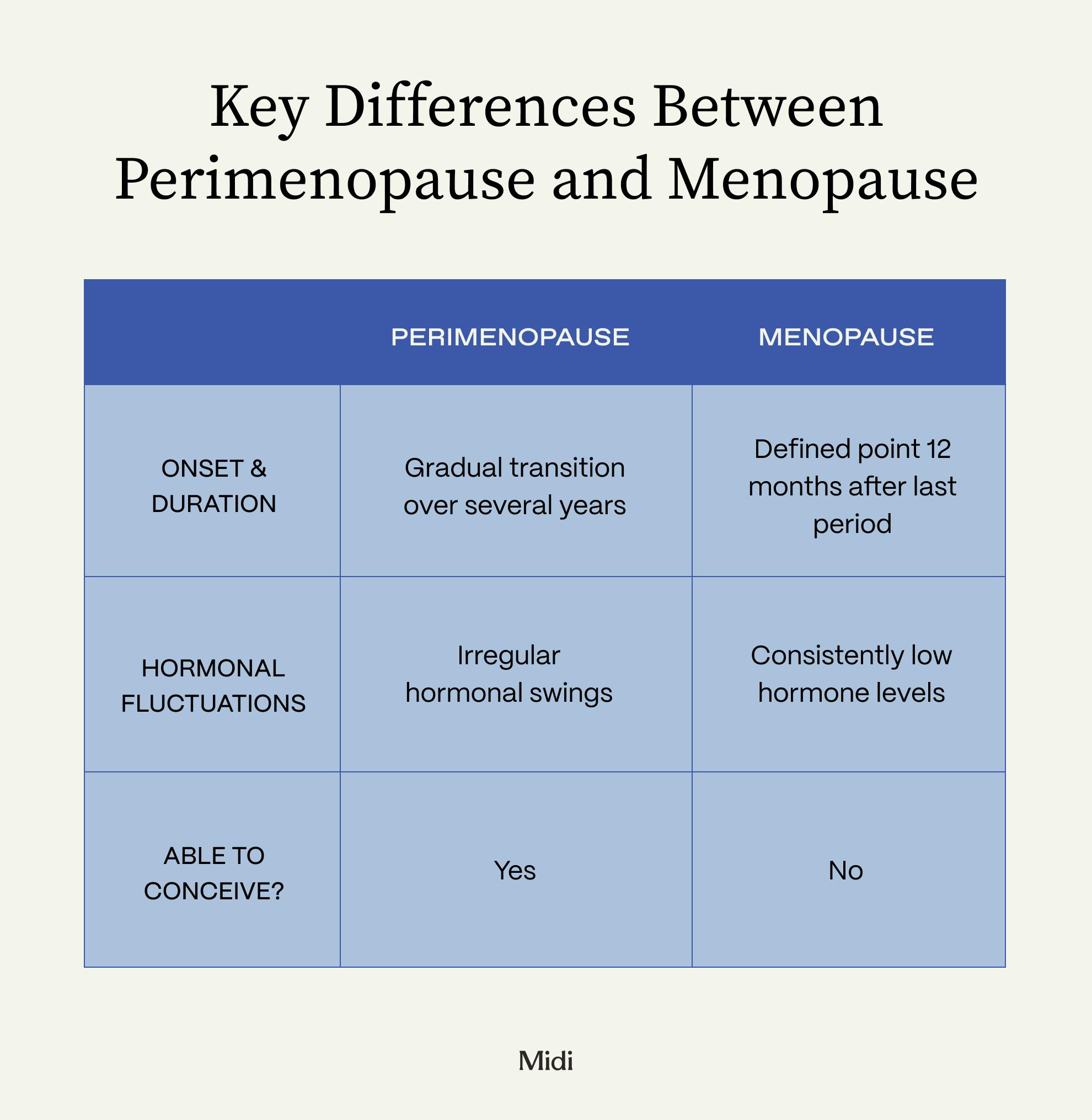
The menopausal transition lasts many years. It’s the time when your ovaries begin to wind down their function to close out your reproductive years. As you age, you’ll go through its various stages:
- Perimenopause: This is the phase leading up to menopause, when the hormones estrogen and progesterone fluctuate, triggering a cascade of symptoms. Perimenopause usually starts in your mid-40s, though it can begin as early as your 30s or as late as your 50s. Most women find that they’re in perimenopause for about 4 years, though for some, it can persist for as long as a decade. Unfortunately, it’s impossible to predict how long you’ll be in the perimenopause phase.
- Menopause: Once you’ve gone 12 consecutive months without a period, you have officially hit menopause. The average age of menopause is 51. Your ovaries have stopped releasing eggs, and this marks the end of your fertility.
- Postmenopause: The period of time that starts right after menopause. You’ll be in this postmenopausal phase for the rest of your life. During this time, your estrogen levels remain low. And while symptoms don’t magically stop as soon as you are postmenopausal, many women see that they improve in severity over time or disappear altogether.
Common Physical Symptoms of Perimenopause and Menopause
Once perimenopause arrives in your life, you’ll likely see and feel its symptoms. Because hormone receptors all over our body are impacted by falling estrogen, symptoms can truly pop up anywhere, from a sore knee to a foggy brain. Below, you’ll find a run down of various symptoms of menopause and when they are most likely to occur. Some are incredibly common while others may be a bit more surprising.
Vasomotor symptoms
These are, by far, the most common symptoms of menopause, affecting up to 80% of women.
More than half of women live with vasomotor symptoms such as night sweats for almost 7 years, according to research published in JAMA Internal Medicine. And the symptoms tend to last even longer—nearly 12 years—in women who were premenopausal or early perimenopausal when they started having them.
When it happens: Vasomotor symptoms are most likely to start in perimenopause (or even premenopause for some women) and persist for a number of years postmenopause.
Possible symptoms include:
- hot flashes (a sudden sensation of warmth that can be mild to intense)
- night sweats (basically hot flashes at night that are known to disrupt sleep, causing you to wake up drenched in sweat)

Genitourinary symptoms
As estrogen declines, vaginal tissue becomes thinner and drier. What was once plump tissue that supported healthy sexual and urinary function now makes you more prone to symptoms that affect vaginal and urinary health:
When it happens: These symptoms (also called genitourinary syndrome of menopause, or GSM), can begin in perimenopause and last throughout postmenopause. Many women continue treatment for these symptoms long term.
Possible symptoms include:
- increased urinary tract infections (UTIs)
- overactive bladder
- urinary incontinence
- urinary urgency
- vaginal dryness
Fatigue
Fatigue affects 83% of women during the menopausal transition, according to a survey of over 17,000 women. Yes, this often has to do with sleep disturbances, but hormonal changes and life stress are just as big energy zappers. Estrogen, progesterone, and melatonin decrease in midlife, while higher cortisol levels at bedtime can keep you wired. (And that’s not even mentioning the racing thoughts that hit at night, thanks to dropping estrogen levels and increased anxiety.)
When it happens: Fatigue can affect women at any time during the menopausal transition.
Possible symptoms include:
- a level of bone-deep exhaustion that’s more than just feeling a little tired
- trouble falling or staying asleep
Breast changes
Oh, they ache! Throughout perimenopause, hormonal changes before your period can trigger breast tissue changes.
When it happens: As you move closer to menopause, hormonal fluctuations may trigger these changes at seemingly random times of the month.
Possible symptoms include:
- breast aching and soreness
- breast stinging
- breast swelling
- breast tenderness
- breast tightness
One important side note: Though breast changes and discomfort can be a normal part of perimenopause and menopause due to hormone fluctuations, women should inform their clinician of any new changes to ensure proper breast cancer screening is done.
Musculoskeletal symptoms
Nearly half of Midi patients experience musculoskeletal symptoms like joint pain. These symptoms are caused by a combination of hormonal shifts (estrogen is key for muscle elasticity and joint health); age-related wear and tear; and lifestyle and environmental factors like diet, exercise, and stress.
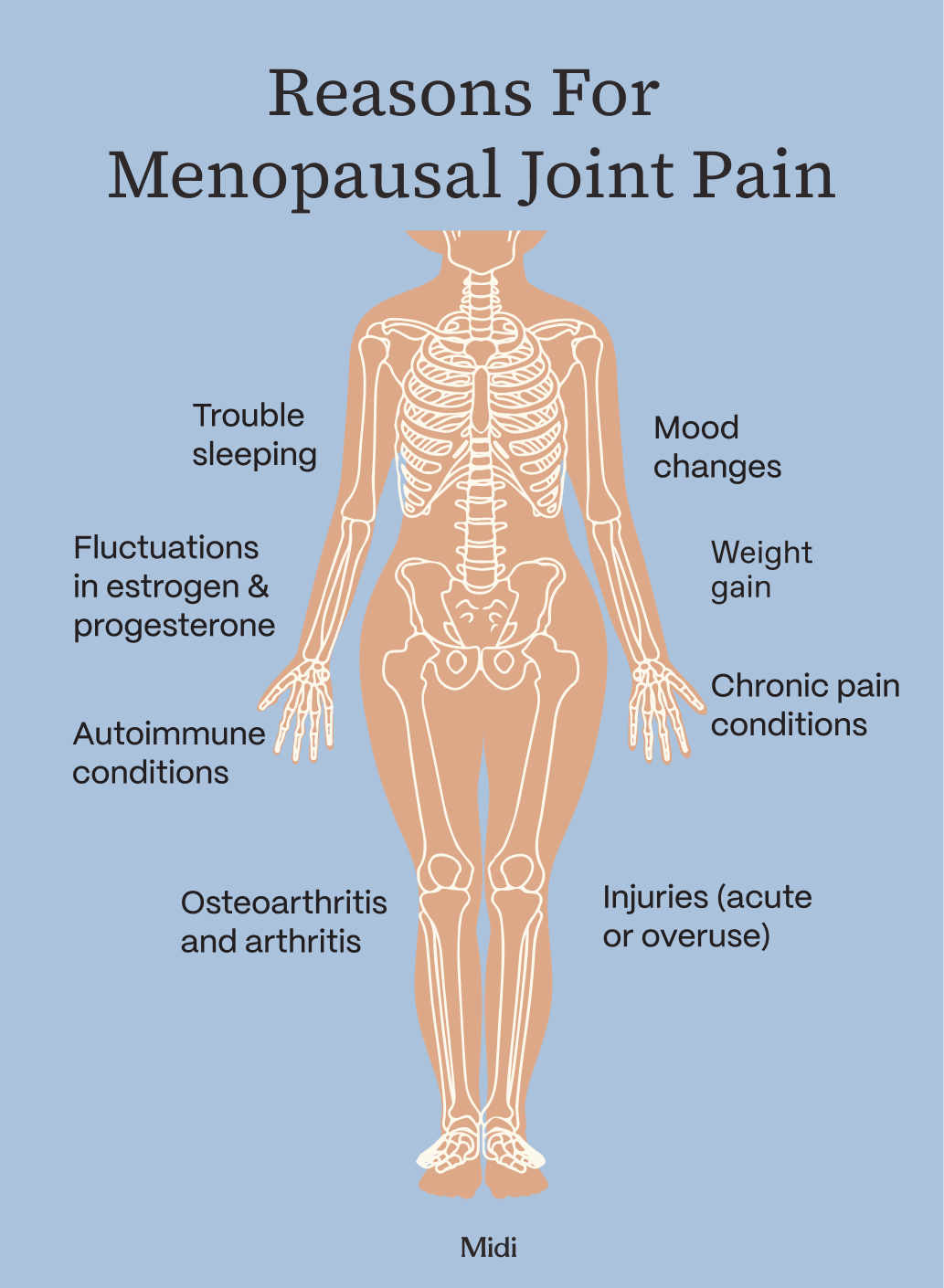
When it happens: For some women, joint pain is one of the first symptoms of perimenopause, whereas others don’t experience it until postmenopause.
Possible symptoms include:
- frozen shoulder
- joint pain
- joint stiffness
- loss of grip strength
- muscle aches
- muscle loss
Weight and metabolic changes
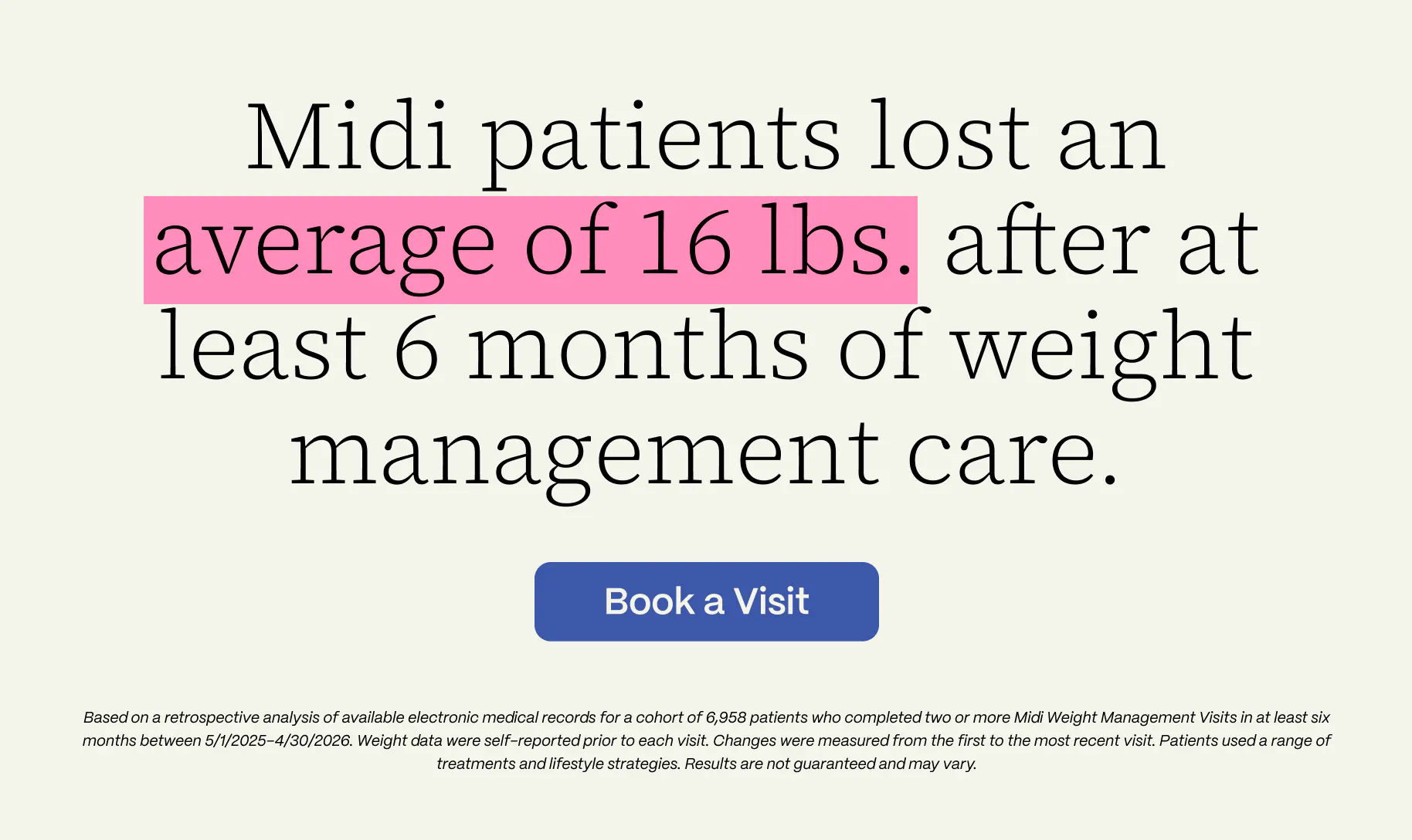
Weight gain and body changes during perimenopause are incredibly common, affecting 87% of patients at Midi. The frustrating part about weight gain during this stage is that it can occur even if you haven’t changed your diet at all.
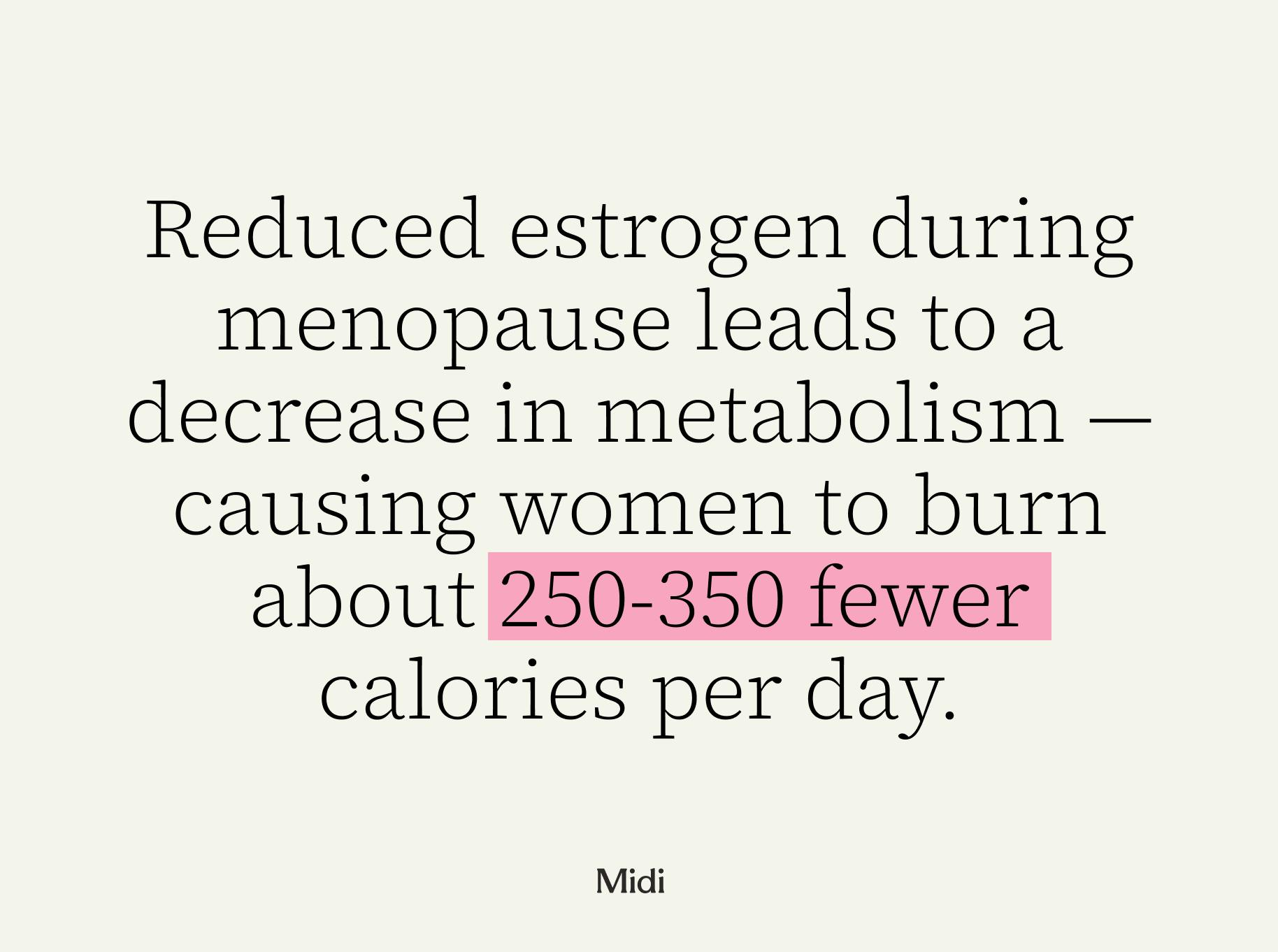
This can happen, in part, because hormonal changes can affect your metabolism, and women transitioning through menopause burn roughly 250 to 350 fewer calories per day than when they were younger. This is one reason why losing weight after age 40 can be so difficult.
Hormonal changes can also affect where your body stores fat. And changes in lifestyle—like lack of exercise and sleep, as well as increased stress—can also contribute to weight gain.
When it happens: Most women start to notice weight changes during perimenopause especially as they near menopause.
Possible symptoms include:
- body composition changes, primarily an increase in abdominal fat (aka meno belly)
- slowed metabolism
- weight gain
Changes in menstrual patterns
Even if you could predict your period with some accuracy before perimenopause, your flow now may be full of surprises.
Periods can start to get wild and unpredictable due to hormonal fluctuations. They can be lighter, heavier, shorter, or longer. They might also feature spotting, and your cycle length can differ from one month to the next.
In one study, 78% of midlife women reported that they had bleeding that lasted for 10 or more days, 67% said they endured 6 or more days of spotting, and 35% said they had 3 or more days of heavy bleeding.
When it happens: Irregular periods are often one of the first—if not the first—symptom of perimenopause for many women.
Possible symptoms include:
- lighter or heavier periods
- longer or shorter periods
- shorter and longer intervals between periods
- spotting (prior to menopause)

Dermatological symptoms
As estrogen levels decline, skin can lose moisture and connective tissue, which helps it retain its elasticity. Many women also experience hair and nail changes because the loss of estrogen also decreases keratin (a protein in your hair, nails, and skin).
When it happens: While you may start to notice many of these changes in perimenopause, the American Academy of Dermatology points out that our skin loses 30% of its collagen in the 5 years after menopause. After this, collagen loss continues but at a much slower rate.
Possible symptoms include:
- acne (which can be worse in perimenopause and improve after you’ve reached menopause)
- changes in body odor
- dry skin
- fine lines and wrinkles
- hair that becomes more wiry, curly, or dry
- hair thinning or loss
- increased facial or body hair
- itchy ears
- itchy skin
- nail changes, including dryness, ridges, cracks, chips and splits, or curling
- pigmentation problems like melasma
- sagging skin
Cardiovascular symptoms
Estrogen plays a key role in protecting the heart, and when the hormone starts to go down, your cardiovascular health can be at increased risk. During the menopausal transition, women are more vulnerable to cardiovascular disease, due to an increase in abdominal fat, higher lipid levels, and changes in blood vessels that occur, according to research in Circulation
When it happens: Although it’s important to care for your heart health throughout your life, this risk is highest after menopause.
Possible symptoms include:
- palpitations (that feeling that your heart is beating quickly, pounding, or skipping a beat, which affects around 40% of perimenopausal women and up to 54% of menopausal women, according to a research review, though they are not typically associated with underlying heart disease)
- chest pain, shortness of breath, and chest pressure (these warrant immediate care from a healthcare professional; they’re all symptoms of heart disease, which, again, women are at higher risk of during menopause)
Gastrointestinal (GI) symptoms
Was your digestion running smoothly and now it’s…not? You may start to experience GI symptoms that weren’t a problem before estrogen began to decline.
When it happens: Digestive health can change starting in perimenopause and continue throughout the entire transition.
Possible symptoms include:
- abdominal pain (although this is a general symptom and other conditions may need to be ruled out)
- acid reflux or gastroesophageal reflux disease (GERD)
- bloating
- constipation
- gas
- loose stools (other conditions may need to be ruled out)
- nausea (other conditions may need to be ruled out)
What Success Looks and Feels Like
Common Psychological and Cognitive Changes
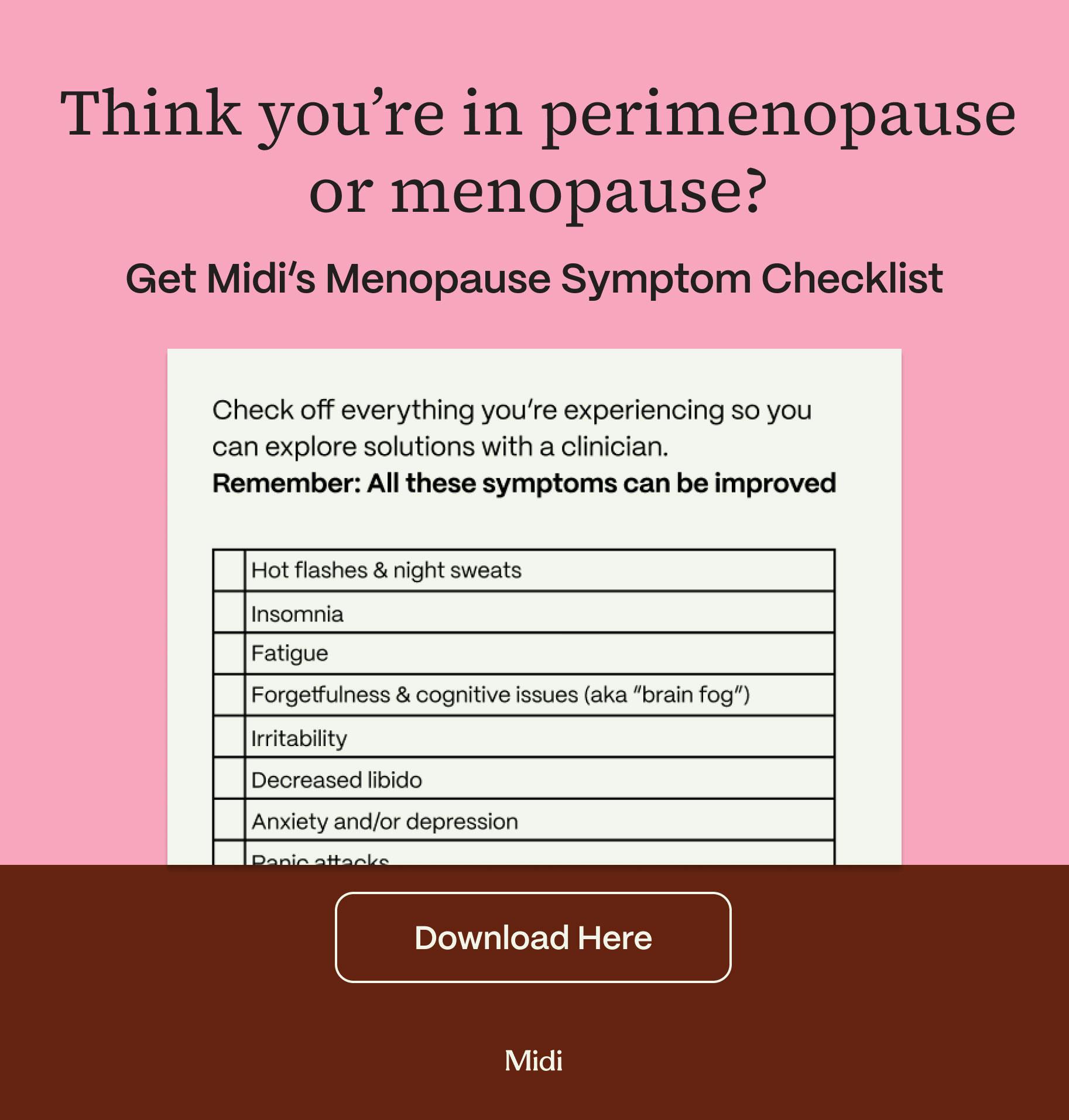
Mood and memory symptoms
If everything your loved one does drives you up a wall these days, you’re far from alone. And if you’re having so many brain blips that you recently found your keys in your freezer, welcome to the midlife brain. These mood changes and brain fog can show up in a surprising variety of ways, and they can have a major ripple effect on your relationships.
When it happens: Hormonal fluctuations and midlife stuff (work stress, relationship stress, caregiving stress…you get the picture) contribute to these emotional and cognitive issues, and they often start in perimenopause. Once your hormones settle down postmenopause, the hormonal trigger for these symptoms will be gone, and many women find that their mood evens out again. However, because the causes are so multifactorial, you may still experience these symptoms, depending on what’s going on in your life.
Possible symptoms include:
- anger
- anxiety
- brain fog, such as memory lapses and forgetfulness
- decreased motivation
- depression
- difficulty concentrating
- difficulty with word retrieval
- feelings of dread
- increased clumsiness
- increased sensitivity to stress
- irritability
- isolation
- mood shifts
- panic attacks
- reduced self-confidence
- social anxiety
- social withdrawal
- sudden onset of phobias (e.g., fear of driving)
- sudden tears
Sleep symptoms
Are you awake at 3 a.m. reading this right now? We wouldn’t be very surprised: Sleep disruption affects up to 47% of perimenopausal women and up to 60% of postmenopausal women, according to research.
Estrogen and progesterone both support good-quality sleep, and levels are declining. Midlife stress, menopause symptoms like night sweats, and underlying sleep disorders may also be keeping you up.
When it happens: Sleep problems crop up both in perimenopause and menopause. Natural sleep remedies can help during this time.
Possible symptoms include:
- insomnia
- restless legs syndrome
- sleep apnea (brief pauses in breathing that occur during sleep)
- waking up in the middle of the night
Sensory and neurological symptoms
This is where some of the more surprising and shocking (pun intended) menopausal symptoms come in—which range in severity and unpleasantness—and can affect you from your head to your toes.
When it happens: These issues can happen in the perimenopausal and menopausal period. However, given some of these symptoms can be unrelated to menopause and could be tied to other causes, it’s best to discuss them with your healthcare professional.
Possible symptoms include:
- blurred vision
- burning mouth
- changes in taste perception
- coordination Issues
- dry mouth
- electric shock sensations
- fidgeting/restlessness
- formication (sensation of insects crawling on the skin)
- headaches
- hot feet (a sensation of burning or warmth in the feet, often at night)
- increased sensitivity to noise
- migraine
- numbness in extremities
- phantom smells
- scalp sensitivity
- sensitivity to light
- temperature intolerance
- tingling extremities
- tinnitus (ringing in the ears)
- tremors
- vertigo or balance issues, such as sudden dizziness or loss of balance
Oral and Dental Changes
You may not be aware that menopause plays a role in oral and dental health. (Jaw drop?) Even your oral tissues have estrogen receptors, so an estrogen deficit, as well as lifestyle habits (such as an unhealthy diet or tobacco or alcohol use), boosts the risk of oral problems.
When it happens: The timing of these issues can vary widely, but in a survey, over half of women over 40 reported changes in their teeth and gums as they age, and more than 1 in 3 said their oral health has declined as they’ve gotten older.
Possible symptoms include:
- burning mouth syndrome (painful sensation of burning or tingling in the mouth)
- gingivitis (gum inflammation)
- oral pain and discomfort
- periodontitis (gum disease that can lead to tooth loss)
- tooth sensitivity
Sexual Health Changes
Hormonal dips, mood changes, relationship issues, and more all factor into the sexual health symptoms that may become an unwelcome part of your life. In fact, these issues cause significant distress for 1 in 7 women during midlife.
When it happens: These symptoms are extremely common in perimenopause and postmenopause, but know that they are some of the easiest to treat.
Possible symptoms include:
- decreased libido
- vaginal dryness
- pain or discomfort during intercourse
- orgasmic dysfunction
Additional Symptoms
By now it should be clear that menopause doesn’t stop at hot flashes, fatigue, breast tenderness, and sexual dysfunction. It can also factor into more under-the-radar changes, like the ones below.
Immune and allergic symptoms
You’ve always loved springtime–until recently, when your nose doesn’t stop running and your eyes constantly itch. Or maybe you’re noticing your chest erupt in a rash for no discernable reason. The hormonal shifts of menopause can affect your immune system, increasing your sensitivity to allergens and making you more vulnerable to symptoms of preexisting immune-related conditions.
When it happens: Although these symptoms can start at any time, research suggests that some women have an increased risk of developing new asthma symptoms as they age, particularly women who started natural menopause later.
Possible symptoms include:
- new allergies or increased reactions to existing allergies
- autoimmune flare-ups (hormonal changes may potentially worsen autoimmune conditions)
- dry or itchy eyes
- frequent cold-like symptoms
- skin rashes
- sudden onset of hives or eczema
Respiratory symptoms
Did you know that lung function goes on a rapid decline during the menopause transition and postmenopause, which affects your respiratory health? That’s according to research in the American Journal of Respiratory and Critical Care Medicine.
When it happens: It’s possible you’ll notice these symptoms during perimenopause and beyond.
Possible symptoms include:
- breathlessness (called dyspnea)
- shortness of breath
- tightness in chest
- wheezing
Appetite and digestive changes
Menopause can turn down the switch on your body’s appetite control center, while an increase in abdominal fat also affects hormones that control hunger and fullness.
When it happens: Changes in appetite and cravings can pop up in perimenopause and persist or change during the years after menopause.
Possible symptoms include:
- decreased desire for food (without GI illness)
- increased cravings, often for sweet or salty foods
- unusual metallic taste in the mouth
Other psychological and behavioral changes
Conditions like obsessive-compulsive disorder (OCD) or attention-deficit hyperactivity disorder (ADHD) have been shown to possibly appear or worsen at menopause. That’s due to hormonal fluctuations that can change how your brain functions.
When it happens: Changes in mood and behavior can start in perimenopause.
Possible symptoms include:
- impulsivity or risk-taking behavior
- heightened sense of caution or anxiety bordering on paranoia
- compulsive or repetitive behaviors (e.g., checking or cleaning)
Symptoms by Stage
The menopause experience is so unique for each woman that we can’t reliably tell someone whether they’ll have a certain symptom, how severe it will be, when it’ll rear its ugly head, or how long it will last. In fact, some women have no symptoms at all in perimenopause or postmenopause.
Plus, symptoms often overlap across the menopausal transition. Hot flashes and night sweats are one example of a symptom that may stick around far longer than you’d like. That said, there are some trends in what women report experiencing. Here’s a basic rundown of what you might expect.
Perimenopause
As your estrogen levels decline, perimenopause symptoms can start. Menstrual cycle changes are often one of the very first signs that you’re in perimenopause—your periods may become more or less frequent (and tricky to predict!), or they may be lighter or heavier than is typical for you. And that can change from cycle to cycle. In addition, during perimenopause you can experience:
- brain fog and memory problems
- hot flashes
- heart palpitations
- mood shifts
- night sweats
- sleep difficulties
- dental issues
- weight changes
- vaginal dryness
- changes in libido
- appetite changes
Menopause
Remember, menopause isn’t a stage but a moment in time, when you’ve gone 12 straight months without a period. This is when you officially enter menopause. Symptoms you’ve been experiencing throughout perimenopause are likely to continue during that final year of perimenopause, including night sweats, hot flashes, and trouble sleeping.
Postmenopause
Although your ovaries have closed up shop, that doesn’t necessarily mean your symptoms have. Though many menopause symptoms will start to improve during this time, you might still expect:
- dry skin
- hot flashes
- low libido
- mood problems
- night sweats
- sleep difficulties
- urinary incontinence
- vaginal dryness
- weight changes
And due to the fact that estrogen levels remain very low during postmenopause, you’re also at a higher risk of some of the health effects of estrogen deficiency, such as osteoporosis and heart disease.
Factors Influencing Symptom Severity and Duration
Not every woman will have every symptom on this list—that’s a relief. And some women never experience even the most common symptoms (like hot flashes and fatigue). Several factors may play into what menopause symptoms affect you and when, including genetics, lifestyle choices, overall health status, and cultural and environmental influences.
Still, the question that’s probably on every midlife woman’s mind: How long do menopause symptoms last? The truth is, the duration can vary quite a bit, and you may continue experiencing some menopause symptoms during the postmenopausal stage.
In general, though, the menopause transition lasts somewhere between 4 and 10 years, and it looks something like this:
- Perimenopause: Most women enter this phase sometime in their mid-40s and experience perimenopause symptoms (including hot flashes, brain fog, trouble sleeping, mood shifts, fluctuating periods, and so on) for around 4 years, though it’s possible to be in this stage for as long as a decade.
- Menopause: After you’ve gone 12 consecutive months without a period, you’re officially in menopause—you might continue to experience many of the same perimenopause symptoms in the months leading up to this point.
- Postmenopause: Right after menopause, you enter this stage and stay here for the rest of your life. Symptoms often improve around this time and may stop altogether.
When to Seek Medical Advice
Some of these symptoms, such as insomnia, gingivitis, breast discomfort, or shortness of breath, can have numerous causes. In some cases, they are considered red-flag symptoms. Whether they’re caused by menopause or not, you should seek help for any symptom that is worrying you, encroaching on your quality of life, affecting your physical or mental function, or making you feel uncomfortable.
If your health concerns are caused by or related to menopause, good treatments are available, from hormone replacement therapy (HRT, now commonly referred to as menopause hormone therapy, or MHT) and other medications to supplements, lifestyle changes, and psychosocial support. These can relieve symptoms and help prevent many of the chronic conditions that also affect your well-being in midlife.
Working with a menopause specialist at Midi to develop a plan to fit your symptoms, lifestyle, and preferences for treatment will help you manage your symptoms effectively, so you can feel good throughout this monumental shift in your life.
How Are Menopause Symptoms Treated?
Your clinician has more tools than ever to help you manage perimenopause and menopause symptoms through targeted treatments. The best menopause treatment (or possibly a combination of treatments) for you will depend on your specific symptoms and overall health.
Systemic hormone therapy
Hormone replacement therapy (HRT, now commonly referred to as menopause hormone therapy or MHT) is prescription medication containing estrogen or progesterone (or both) to supplement the hormones that decline during the menopausal transition. It comes in the form of a pill, patch, ring, gel, or spray.
Systemic hormone therapy is absorbed by your whole body and can treat a variety of menopause symptoms, particularly hot flashes and night sweats. Another benefit: It can help prevent bone loss.
Still, HRT won’t be right for every woman. A healthcare professional, like a Midi clinician, can determine which form, if any, is best for your health.
Topical hormone therapy
If you’re experiencing common symptoms like vaginal dryness, pain, and other down-there discomfort, one option is prescription topical, low-dose vaginal estrogen. It’s available as a cream, tablet, or ring, applied directly on or inserted into the vagina. This treatment doesn’t address other menopause symptoms, such as hot flashes.
Non-hormonal prescription options
A few non-hormonal prescription medications are approved to treat some menopause symptoms:
- Selective serotonin reuptake inhibitors (SSRIs): Some types of SSRIs (antidepressants) may help ease hot flashes. Your clinician can advise you on which types may be effective.
- Ospemifene: This medication behaves similarly to estrogen in the vagina, so it may be helpful for vaginal dryness and painful sex.
- Fezolinetant: This may help relieve hot flashes by influencing the body’s temperature regulation system.
Lifestyle changes
Good habits can support your overall health during the menopausal years and may help ease certain symptoms. Do your best to:
- Get plenty of physical activity: Aim for at least 30 minutes of exercise most days.
- Follow a healthy diet: Getting enough protein helps support muscle mass. Also focus on whole grains, plenty of fruits and veggies, healthy fats, and dairy or dairy alternatives that provide calcium.
- Quit smoking: If you smoke, now is the time to stop.
- Prioritize sleep: Sweaty nights get in the way, we know. But make an effort to clock ideally around 7 to 9 hours per night, and talk with your clinician for sleep support.
Evidence-informed supplements
For integrative care, certain botanical supplements have some evidence of relieving specific perimenopausal symptoms. More research is needed, but you can talk with your clinician about adding supplements like black cohosh, Siberian rhubarb, maca, and pycnogenol into your treatment plan.
But since supplements aren’t regulated the way prescription meds are, look for a brand that does third-party testing, make sure your clinician agrees that a supplement is safe and appropriate for you, and introduce one at a time so you can gauge what your reaction is.

A menopause-trained clinician, such as one at Midi, can help you build a personalized plan that addresses the specific symptoms you’re experiencing.
"Every woman's menopause journey is unique,” says Bonita Coe, MD, an internal medicine physician and Midi Health Supervising Physician.
“At Midi Health, clinicians work closely with each patient to understand her symptoms, medical history, personal preferences, and treatment goals,” she says. “Together, we develop an individualized care plan that may include lifestyle strategies, non-hormonal therapies, and hormone therapy, when appropriate.”
Key Takeaways
- There are more than a 100 potential menopause symptoms—and these affect nearly every aspect of your physical and mental well-being. The most common symptoms of menopause include hot flashes and night sweats, fatigue, mood changes, sleep difficulties, decreased libido, vaginal dryness, joint pain, and weight gain. More surprising symptoms like oral health issues, new or worsening allergies, and dizziness may also be related to menopause and falling estrogen levels.
- Every woman has a unique menopause experience. Multiple factors, including genetics, lifestyle, and health status, factor into what symptoms she has and when.
- Women are encouraged to seek medical advice whenever they experience a concerning symptom (such as shortness of breath, bleeding gums, breast changes, heart palpitations, etc) that may be related to menopause but may also be indicative of another health concern. It’s also good to seek care when symptoms are affecting quality-of-life by causing discomfort or disruption in the day.
- Bottom line: A lot of evidence-backed treatment options are available for menopause symptoms and can improve midlife.
Frequently Asked Questions (FAQs)
What are the 7 early signs of menopause?
Early perimenopause signs can vary from person to person, but one of the most common symptoms women notice first is menstrual cycle changes. Your periods may become less regular or heavier or lighter than you’re used to. You might also experience vasomotor symptoms like hot flashes and night sweats, insomnia, mood changes, vaginal symptoms like dryness, and weight gain.
When are menopause symptoms at their worst?
There isn’t a one-size-fits-all answer—menopause symptoms can start at different times and with varying levels of severity, research has found. But a 2025 survey of more than 4,000 women 30 years old and over found that perimenopause symptoms seem to peak in severity between ages 51 and 55 years old. For many women, this is toward the end of perimenopause, shortly before they officially reach menopause, the researchers noted.
How do you get through menopause naturally?
Managing menopause symptoms naturally—without prescription medications such as hormone therapy—might involve a combination of lifestyle changes. This includes eating a healthy diet, getting enough sleep, and doing strength training exercise to build muscle mass.
Some women also use over-the-counter products like vaginal lubricants or moisturizers for vaginal dryness, as well as supplements, such as black cohosh. It’s important to talk to your clinician before starting a new supplement.
What are the best vitamins for menopause?
The best vitamins for menopause depend on your health as well as symptoms you’re experiencing. For example, your clinician might recommend vitamin D to strengthen your bones, as well as calcium supplements, depending on your eating habits. Omega-3 supplements (like Midi’s Daily Omega-3+) may help ease brain fog, as well as give other health boosts. With all vitamins and supplements, it’s a great idea to check in with your clinician first.
If you’re in perimenopause or menopause and want guidance from clinicians who specialize in women’s midlife health, book a virtual visit with Midi today.
Hormonal change is at the root of dozens of symptoms women experience in the years before and after their period stops.
Our trained menopause specialists can help you connect the dots to guide you towards safe, effective solutions.
Whether you need personalized guidance or a prescription routine to tackle symptoms—including vaginal dryness and irritation, brain fog, hot flashes, sleep trouble, mood swings, and weight gain—we’ve got you covered.
Midi’s mission is to revolutionize healthcare for women at midlife, wherever they live and whatever their health story. We believe that starts with education, to help all of us understand our always-changing bodies and health needs. Our core values guide everything we do, including standards that ensure the quality and trustworthiness of our content and editorial processes. We’re committed to providing information that is up-to-date, accurate, and relies on evidence-based research and peer-reviewed journals. For more details on our editorial process, see here.